IN STOCK FIRST · CLICK A COLUMN TO RE-SORTPRICES: AMAZON CREATORS API · AS OF 2:28 AM ET
This is the catch-all for the parts that improve a Ranger without belonging to a single system — electronics, cab hardware, trim, small quality-of-life fixes, and the odds and ends that keep a truck feeling dialled in.
It is also where fitment claims deserve the most scepticism, because listings in this category lean hardest on the phrase "compatible with". Read the year range and the trim, and where a listing names several unrelated vehicles, treat that as a reason to verify rather than a sign of flexibility.
What Fits Which Ranger
North America got the compact Ranger from 1983 through 2011, went without one for the 2012–2018 model years, then received the midsize P375 Ranger for 2019–2023 and the redesigned next-generation truck from 2024. Parts almost never cross those boundaries. Not sure which truck you have? Start with the generations & fitment reference.
Generation
What It Means For This Part
1983–2011 (classic compact)
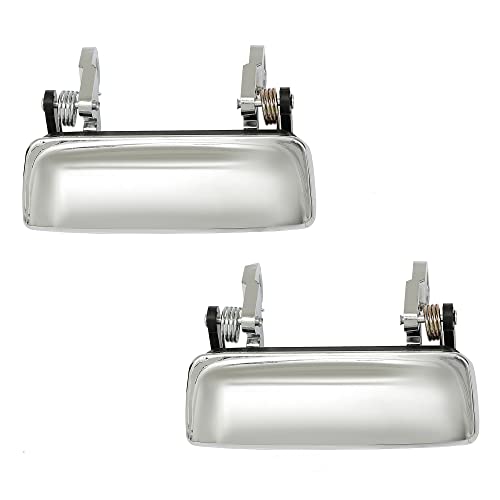
Cab and body hardware — handles, weatherstrip, visors, small trim — is what fails on trucks this age, and most of it is a used-parts hunt.
2019–2023 (P375)
Electronics and plug-in modules are common here. Confirm the module targets your model year, not just the model.
2024–2026 (next generation)
Much of the current accessory inventory is next-gen-specific. Check the year range on every listing.
What To Look For In Ranger Parts & Accessories
✓"Compatible with" is not the same as original equipment. It tells you what a part replaces, not that Ford made it.
✓Where a listing names several unrelated trucks, verify fitment against your VIN before ordering.
✓Electronic modules are usually model-year specific even when the physical connector looks identical.
✓Cosmetic trim rings and functional modules are frequently conflated in listing titles — read what the part actually does.